

Southern California Water Quality: Current Conditions and Management
How Municipal water districts, infrastructure, and regulation shape local water conditions.
A water filtration system gives families peace of mind by removing unwanted contaminants, improving taste and clarity, and providing cleaner, safer water for everyday use.”
IRVINE, CA, UNITED STATES, January 29, 2026 /EINPresswire.com/ -- Southern California water quality varies by location, season, and water source. Coastal recreation areas face one set of concerns (such as bacteria after storms), while drinking-water systems manage a different mix of challenges (such as minerals, disinfectant byproducts, and legacy industrial chemicals). Understanding the main contamination pathways and the oversight framework helps clarify why water quality advisories occur and why results can differ from one community to the next.— Daniel Zilberberg
Key water quality issues affecting Southern California:
Stormwater and urban runoff
Rainfall can wash pollutants from streets, parking lots, and landscaped areas into storm drains and nearby waterways. Runoff may carry:
•Bacteria from animal waste and sewer overflows
•Oil and fuel residues
•Metals from brake dust and industrial areas
•Pesticides and fertilizers from yards and commercial properties
After heavy rain, coastal monitoring programs frequently report higher bacterial levels near storm drain outlets and river mouths.
Wastewater spills and infrastructure failures: Aging sewer systems, treatment plant bypass events, or pump-station failures can release untreated wastewater. These incidents raise public health concerns due to pathogens and can trigger beach closures or advisories.
Nutrients and algal blooms
Nutrients such as nitrogen and phosphorus can enter waterways from fertilizers, wastewater, and runoff. Elevated nutrient levels can contribute to harmful algal blooms, low oxygen conditions, and ecosystem stress in bays and nearshore areas.
Metals and industrial contaminants
Certain watersheds and legacy industrial sites can contribute metals and other pollutants to surface water. Depending on location, contaminants of concern may include copper, lead, chromium, and other metals, along with solvent-related compounds in groundwater basins.
Southern California beach water quality: what drives advisories
Beach water quality monitoring often focuses on indicator bacteria (commonly total coliform, fecal indicator bacteria, or enterococcus, depending on the program).
Elevated counts are more likely:
•After rainfall
•Near storm drain outlets
•Near river mouths
•During known sewage spill events
Local public health agencies and county programs publish advisories and closures based on sampling results. Conditions can change quickly, so beach status is best treated as time-sensitive and location-specific.
Drinking water vs. beach water: different standards and measurements
Beach monitoring is designed to reduce illness risk from recreational exposure and relies heavily on bacterial indicators. Drinking water regulation focuses on long-term ingestion risk and sets limits for a wide range of contaminants, including microbes, inorganic chemicals, organic chemicals, and radionuclides. Sampling locations, testing frequency, and compliance rules differ substantially between recreational water and tap water.
How water quality is managed and regulated
Federal baseline standards
Federal drinking-water rules establish nationwide minimum requirements for public water systems. These include health-based limits, treatment technique requirements (for certain contaminants), monitoring schedules, and consumer reporting obligations. Federal requirements form the compliance floor across all communities.
State and local implementation
California implements and enforces drinking-water rules through state oversight, and California requirements can be more stringent than federal minimums for certain contaminants or operational practices. Local water agencies must meet regulatory limits, maintain treatment operations, and publish a Consumer Confidence Report (often referred to as a water quality report) with required test results and compliance details.
Why water quality differs across districts
Southern California relies on a blend of water sources that can shift over time, including imported supplies and local groundwater. Source-water differences can influence:
•Mineral content (hardness, scaling potential)
•Corrosivity (related to pH, alkalinity, chloride, sulfate, and dissolved solids)
•Disinfection approach and resulting byproducts
•Treatment needs for trace contaminants
Operational changes—such as blending, seasonal source shifts, and infrastructure upgrades—can also affect measured water characteristics within a service area.
Practical interpretation of a water quality report
A water quality report typically includes:
•Detected contaminants and measured ranges
•Regulatory limits (maximum contaminant levels) or treatment technique requirements
•Notes on violations (if applicable) and corrective actions
•Information on source water and treatment
When evaluating “water quality issues,” key context includes the difference between a detection and a violation, the level measured, the health goal (when listed), and the frequency of detection.
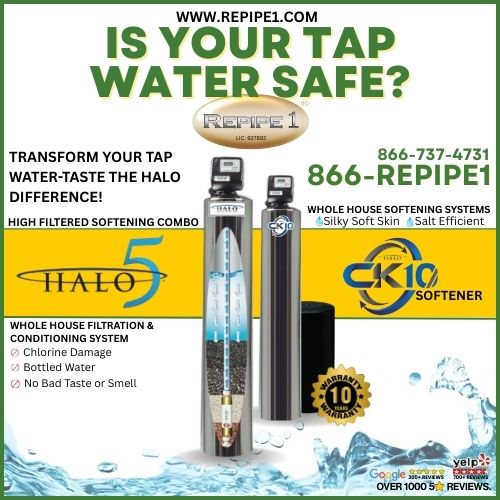
Because water quality in Southern California can vary by location, season, and water source, some households use a water filter or whole-house water filtration system as an added layer of protection. While public water systems meet regulatory standards, filtration can help address issues such as taste, odor, mineral content, and certain contaminants that may be present at low levels. For those seeking professional guidance, water filter installation experts can ensure proper setup and optimal performance. Changes in source water, blending, and local infrastructure can affect water characteristics over time, making filtration a complementary option for households seeking more consistent water quality.
https://www.ewg.org/tapwater/drinking-water-new-frameworks-needed.php
https://www.ocgov.com/about-county/info-oc/oc-links/orange-county-links/water-districts
https://www.mnwd.com/fix-a-leak/
https://www.ewg.org/tapwater/state.php?stab=CA#overview
Daniel Zilberberg
Repipe1
+1 866-737-4731
info@repipe1.com
Visit us on social media:
Instagram
Facebook
YouTube
TikTok
X
Other
R1 Filter Installing a water treatment filtration system
Legal Disclaimer:
EIN Presswire provides this news content "as is" without warranty of any kind. We do not accept any responsibility or liability for the accuracy, content, images, videos, licenses, completeness, legality, or reliability of the information contained in this article. If you have any complaints or copyright issues related to this article, kindly contact the author above.
